Industry News
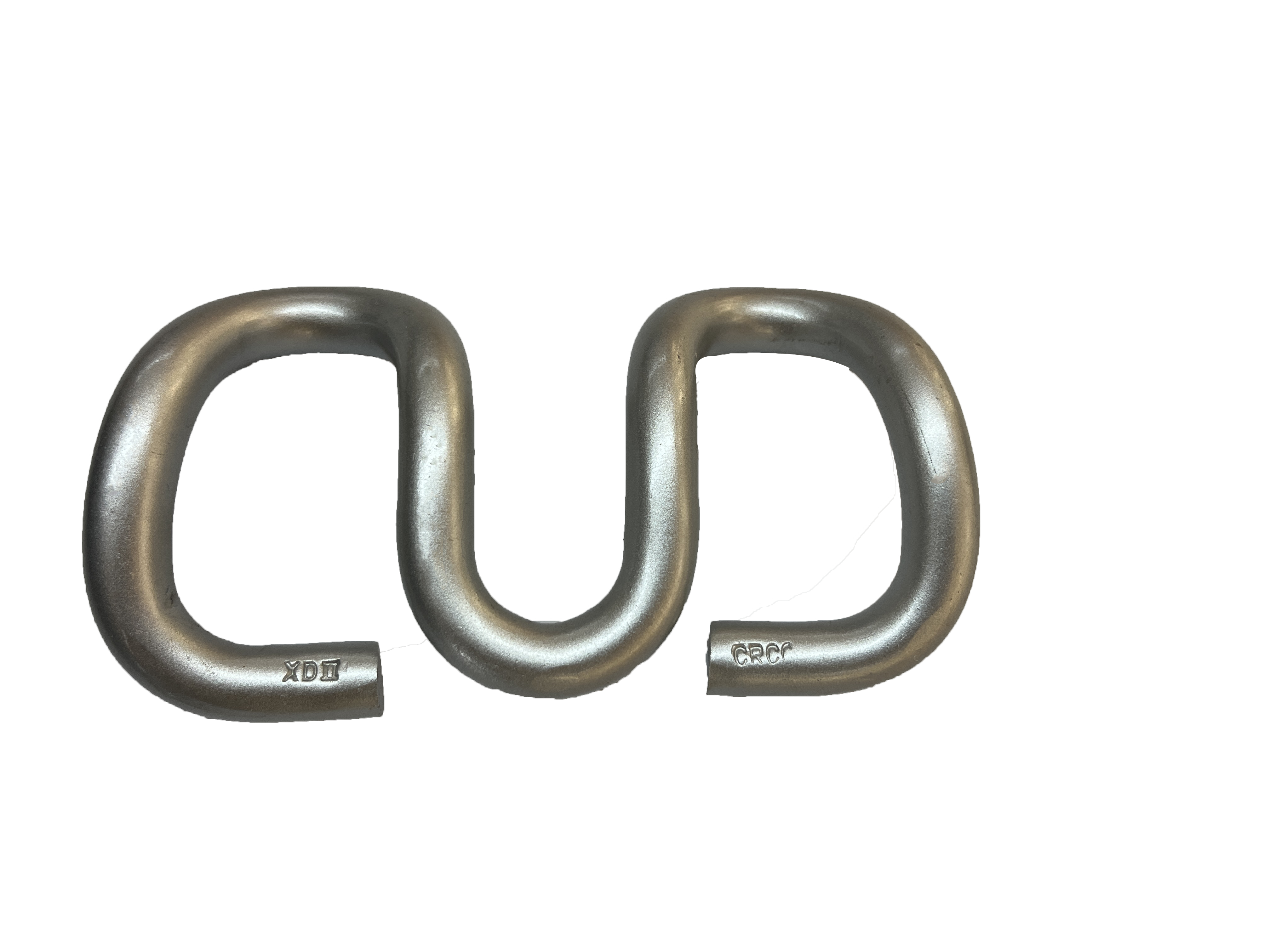
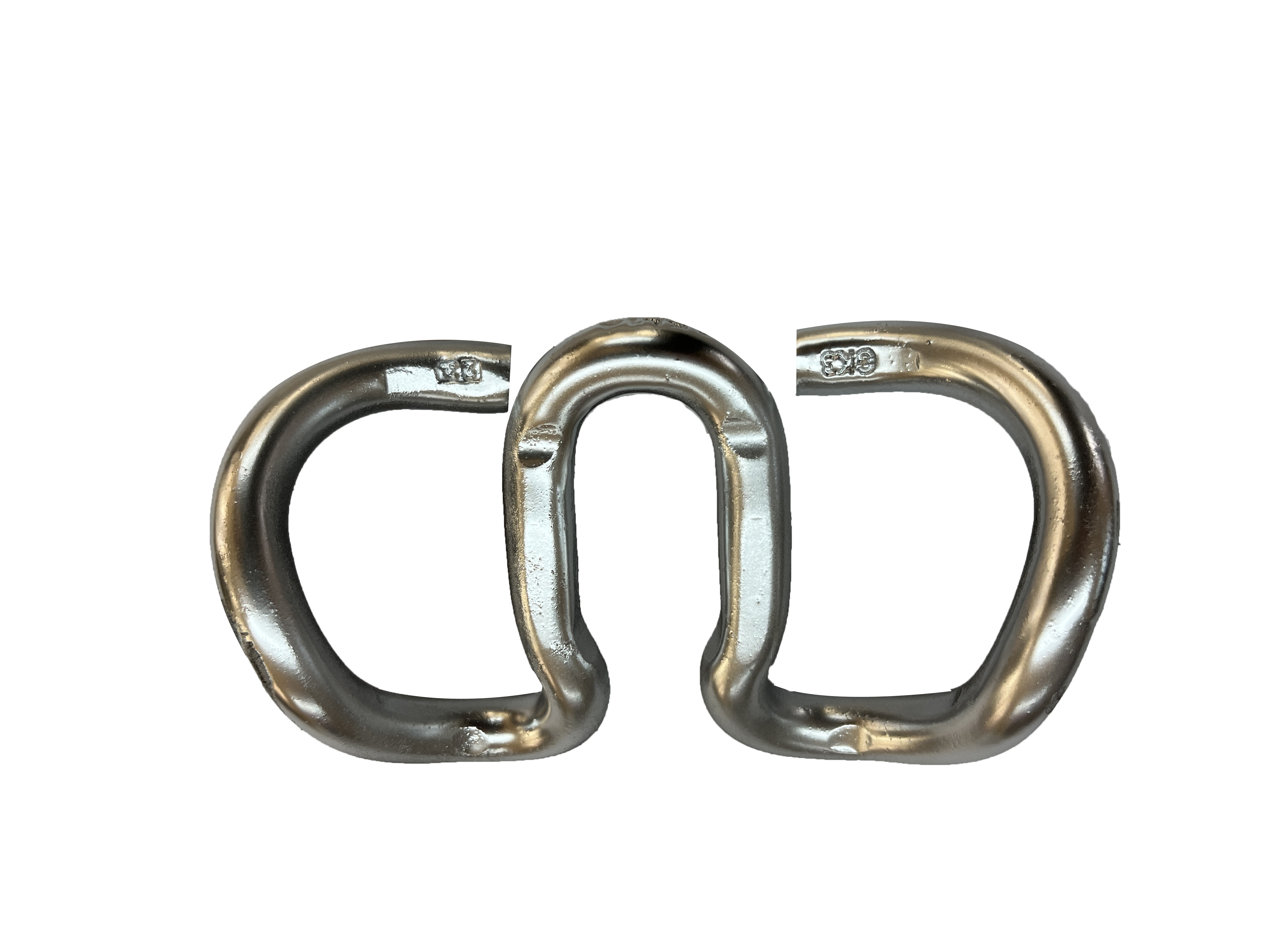
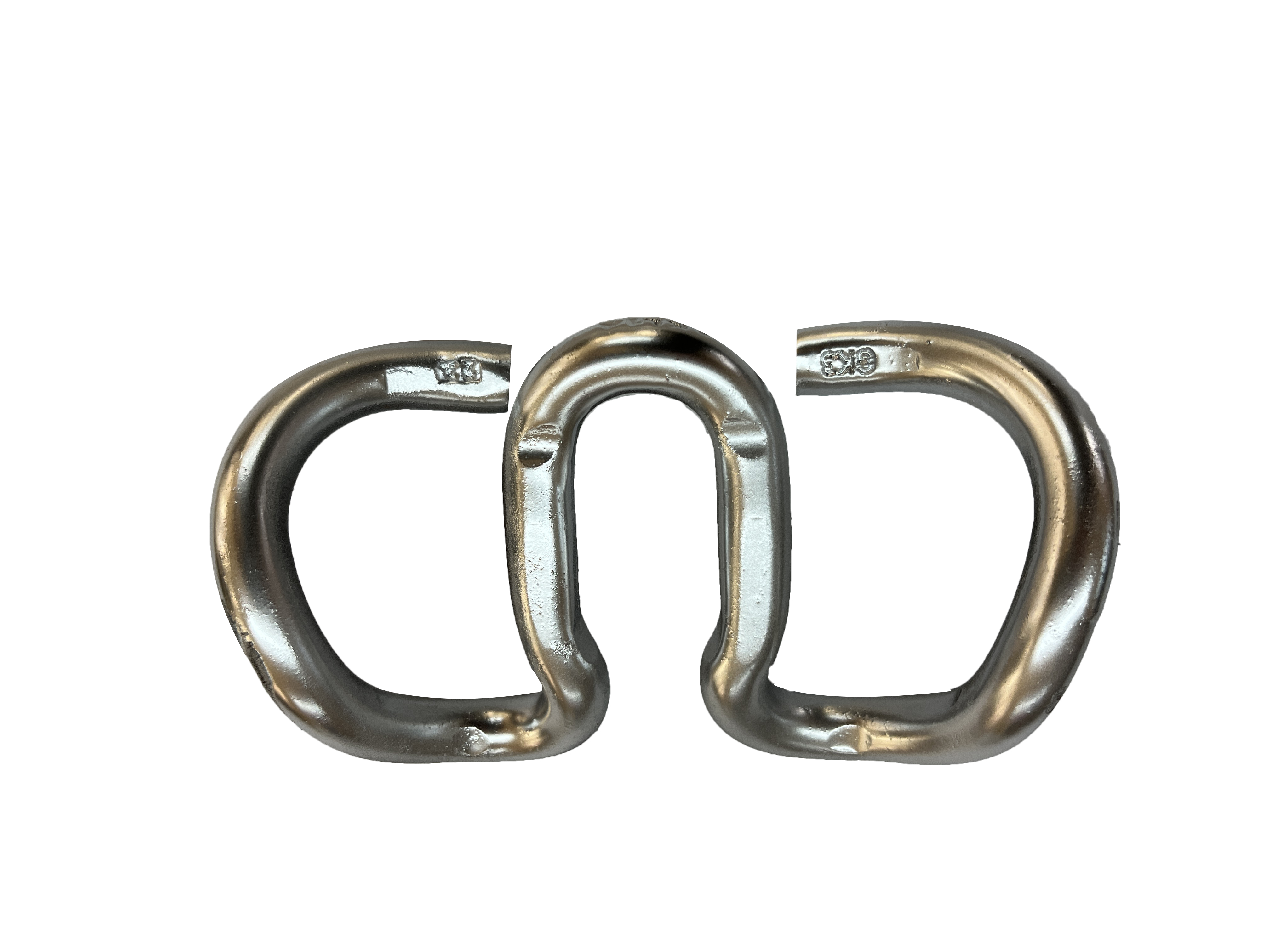
Can prevent the surface of rail fittings from rusting for 100 years
Railway Fastening Systems – 10 Common Questions Answered
1. What is the difference between a rail clip and a fish plate?A rail clip holds the rail down to the sleeper. A fish plate connects two rail ends at a rail joint. Clips are used at every sleeper along the track; fish plates are used only at joints. Both are essential for a complete track structure.2. How do I know if a rail clip needs replacing?Look for these signs: red rust with pitting, visible cracks at the bend or toe, toe wear deeper than 2 mm, deformation or bending, or a clip that feels noticeably looser than a new one. If any of these appear, replace the clip.3. What torque should I use for fish plate bolts?For M22 bolts on standard 60 kg/m rail, use 500–600 N·m. For M24 bolts on heavy-haul lines, use 600–750 N·m. Always use a calibrated torque wrench. Do not rely on an impact gun set to "feel".4. Why do fish plate bolts keep loosening?The most common reason is that they were not re-torqued after the first week of service. Bolts settle under initial traffic. Also check if the bolts or threads are worn. Replace bolts and nuts as a complete set – new nuts on old bolts do not hold properly.5. What coating should I choose for coastal railways?For coastal or marine environments, use stainless steel clips and fish plates. If stainless steel is too expensive, choose a heavy epoxy coating with at least 1,000 hours of salt spray resistance. Standard zinc plating will not last in salt spray conditions.
2026.07.10
view(25)
What Quality Standards Apply to Railway Fastening Systems? A Quick Overview
1. IntroductionRailway fasteners look simple. A clip, a plate, a bolt. But behind each component is a set of technical standards that define how it should perform — clamping force, fatigue life, corrosion resistance, and more.Different markets use different standards. A fastener that works for a European high-speed line may not meet North American heavy-haul requirements. Understanding these standards is essential for procurement, engineering, and quality assurance.This article explains the main quality standards for railway fastening systems — what they cover, who uses them, and why they matter.2. EN 13481 – The European StandardEN 13481 is the primary European standard for railway fastening systems. It sets performance requirements for complete fastening systems, not just individual components. The standard applies to fastening systems that act on the rail foot and/or web, including both direct and indirect fastening systems.The standard organizes fastening systems into categories based on maximum design axle load and minimum curve radius:CategoryMaximum Axle LoadMinimum Curve RadiusA130 kN40 mB180 kN80 mC260 kN150 mD260 kN400 mE350 kN(varies)EN 13481 covers performance requirements including:Longitudinal rail restraintTorsional resistanceFatigue performanceElectrical insulation where requiredEN 13481 is used for type approval of complete fastening systems. In practice, this means the entire system — clip, pad, plate, and housing — must be tested together, not just individual parts.3. UIC Standards – International ReferenceThe International Union of Railways (UIC) publishes standards widely adopted internationally. The UIC 864 series covers track materials.In 2022, UIC published revised versions of the 864 series:StandardCoversIRS 80864-1Sleeper screwsIRS 80864-2Steel track boltsIRS 80864-3Steel spring washersUIC 864-4 / -8Fish platesUIC 864-6Base platesUIC standards typically specify:Material grades and propertiesDimensional tolerancesTesting and inspection methods
2026.07.09
view(35)
FISHPLATE – FORGED STEEL RAIL JOINT BAR FOR BOLTED TRACK CONNECTIONS
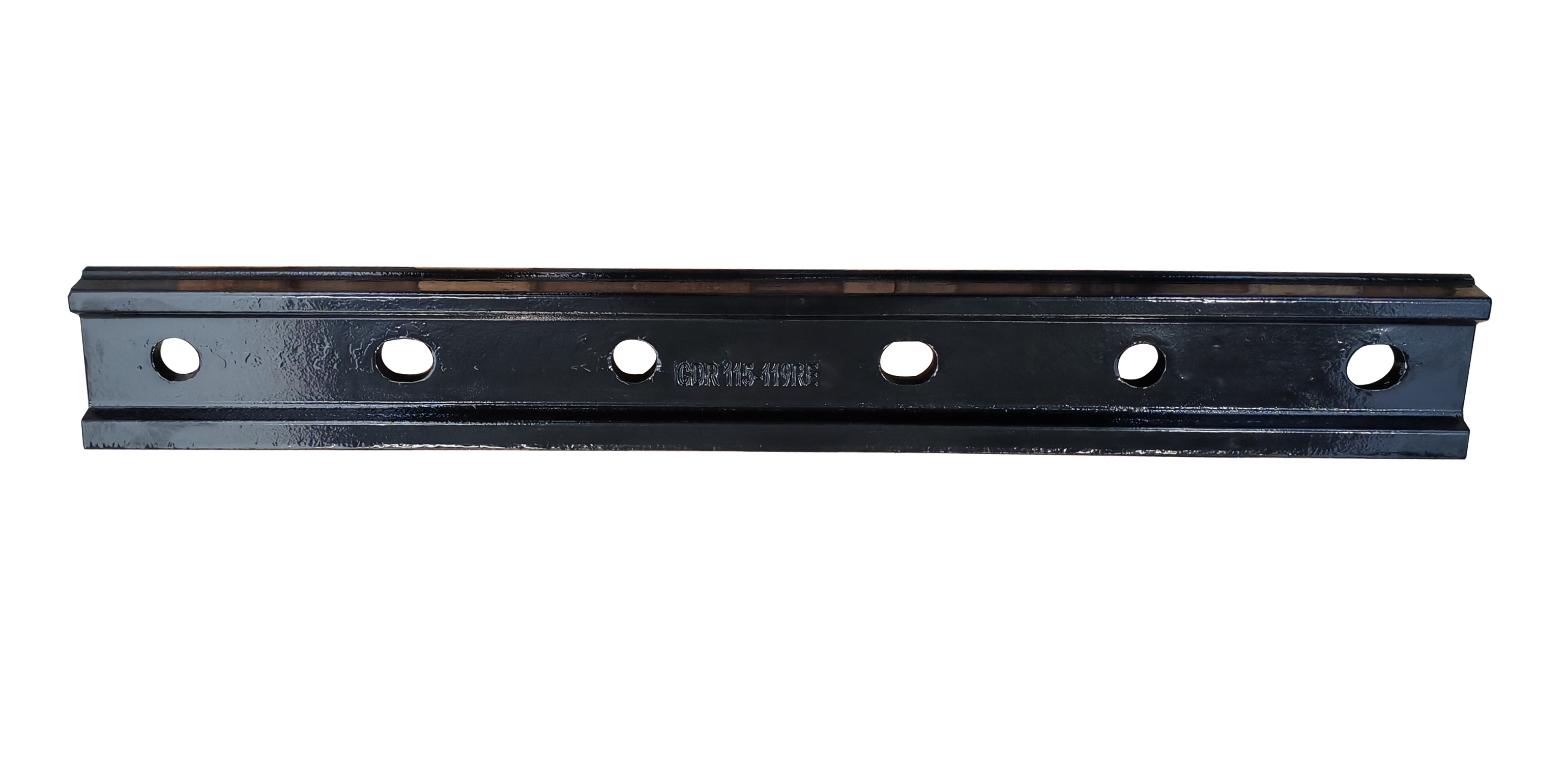
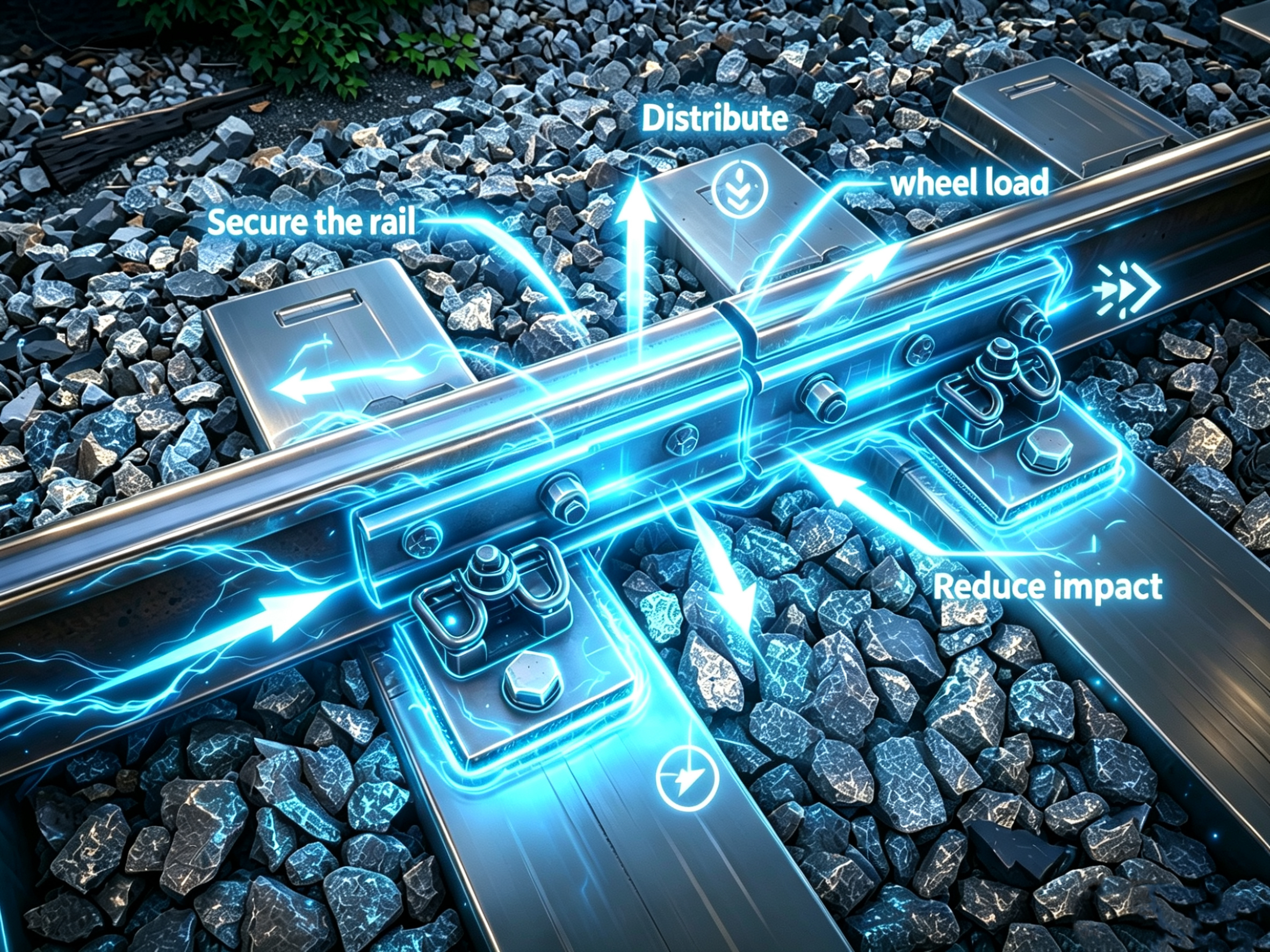
A fishplate, also known as a rail joint bar or railway splice bar, is a steel plate bolted to both sides of two consecutive rails at a joint. Its job is to keep the rail ends aligned vertically and laterally, to transfer wheel loads across the joint gap, and to maintain the correct fishing angle so the rail head and web are fully supported. Our fishplates are hot forged from medium carbon steel, heat treated to meet the required mechanical properties, then drilled and finished to match the rail section exactly. We supply 4‑hole and 6‑hole splice bars for almost all common rail profiles. We also manufacture compromise fishplates for joining rails of different heights or weights, and insulated fishplates with bonded isolation layers for track circuit separation. As part of the wider rail fastening system, a well‑made fishplate reduces impact damage at joints, helps control gauge, and brings down the long‑term cost of railway maintenance.KEY FEATURES & BENEFITSPrecise rail profile match: Each rail joint bar is forged or machined to the exact fishing angle and web thickness of the target rail section. This gives full contact between the bar and the rail, distributes bolt clamping force evenly, and prevents localised stress that leads to cracking.High strength and fatigue resistance: Made from 55# carbon steel or micro‑alloyed grades, heat treated to a tensile strength of 780 MPa or above. The bars are tested under cyclic loading to ensure they withstand repeated wheel impacts without fatigue failure.Protection against corrosion: Standard finishes include black oxide, oiled, zinc plated, and epoxy powder coating. For lines near the coast, in tunnels, or in industrial areas, we recommend zinc‑based coatings or hot dip galvanizing for longer service life.Fast and simple installation: The fishplate is positioned on both sides of the rail gap and secured with track bolts, spring washers and nuts. Bolt holes are drilled to standard spacing, so the bars interchange easily with existing components during scheduled railway maintenance.Lower wear on adjacent components: By holding the rail ends firmly, a good splice bar reduces rail end batter, loosening of joint bolts, and ballast movement around the joint. This cuts down on unplanned track work and extends sleeper life.TECHNICAL SPECIFICATIONSParameterSpecificationFishplate type4‑hole, 6‑hole, compromise (transition) fishplate, insulated fishplateMaterial55# carbon steel, 45# steel, micro‑alloyed spring steel, or as required by the standardSurface finishBlack oxide, oiled, zinc plated, epoxy powder coated, hot dip galvanizedRail sections matchedUIC 60, UIC 54, 115RE, 136RE, 50kg/m, 52kg/m, JIS 50N, BS 90A, and many othersHole diameter24 mm, 26 mm, 28 mm (typical), or drilled to suit bolt sizeBolt typeFish bolt per UIC 864‑1, AREMA, GB/T 11264, DIN, or customer specificationTensile strength≥ 780 MPaElongation≥ 10%Hardness220–280 HBWFatigue performanceMeets UIC 864‑2 or equivalent; no crack after required load cyclesStandardsAREMA Chapter 4, UIC 864, BS 47, GB/T 11264, AS 1085.8APPLICATION SCENARIOSPlain jointed track: Standard fishplates are used on secondary and branch lines, sidings, and yard tracks where continuous welded rail is not practical. They allow for thermal expansion at the joints when used with expansion gaps.High‑speed and heavy‑haul lines: In temporary speed restrictions, bridge approaches, and emergency repairs after a rail break, high‑strength rail joint bars provide a safe bolted connection until the rail can be welded or replaced.Transition between different rail profiles: A compromise fishplate has different fishing angles on each side to connect two rails of different height or web thickness. These are commonly used in depots, at main line to siding connections, and on mixed‑traffic routes.Insulated joints for signalling: Insulated fishplates use a bonded fibre‑glass or epoxy isolation layer to break the electrical path between adjacent track circuits. They are installed with insulated bushings and washers, and are a critical part of the signalling infrastructure.Bridge and turnout areas: Joint bars are installed at bridge ends to accommodate structural movement, and are also used in switch and crossing panels where bolted connections are preferred for ease of adjustment and replacement.

2026.07.06
view(51)
So Cute It's Overwhelming! Where Did All These “Bows” Come From?
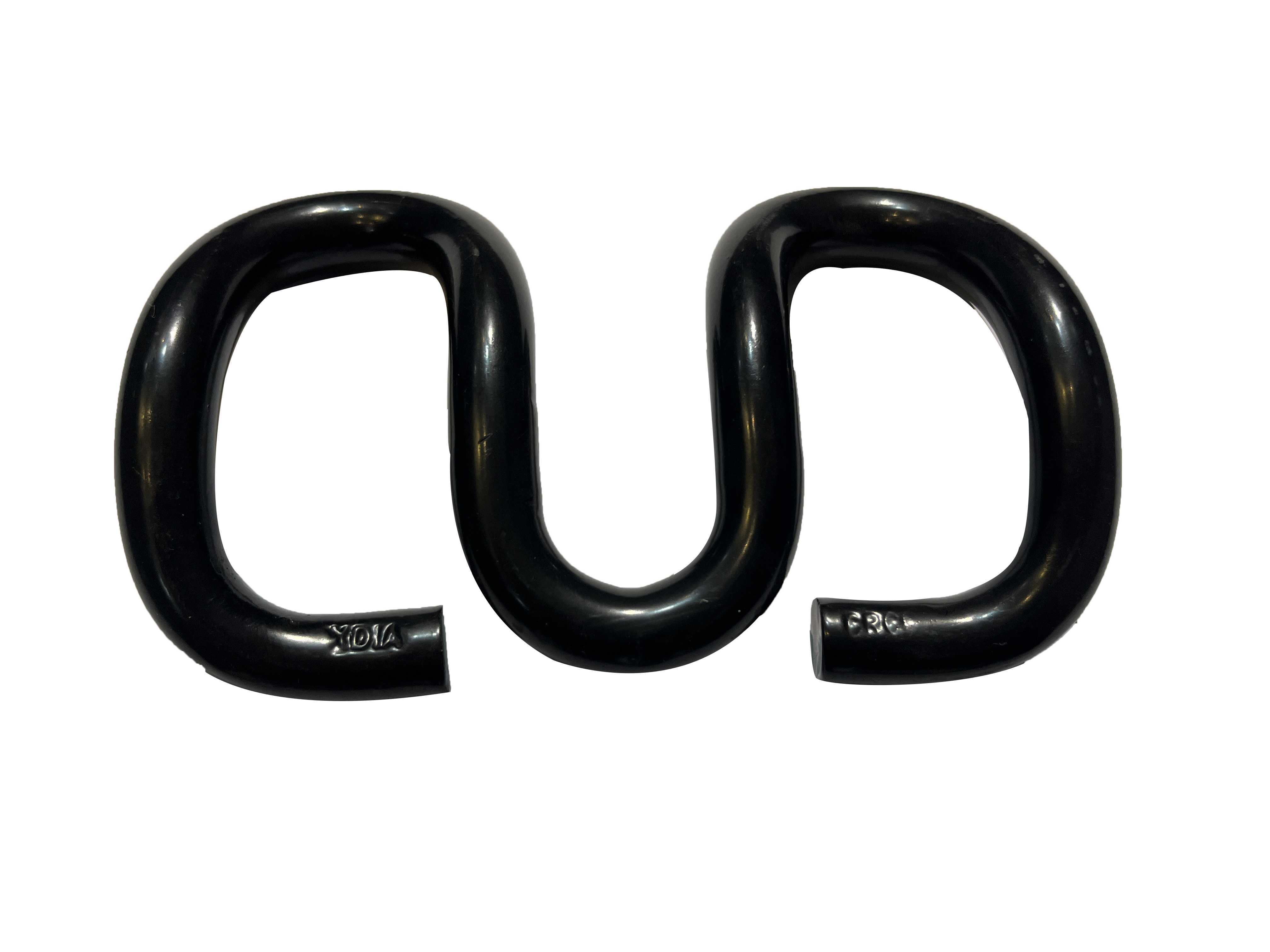
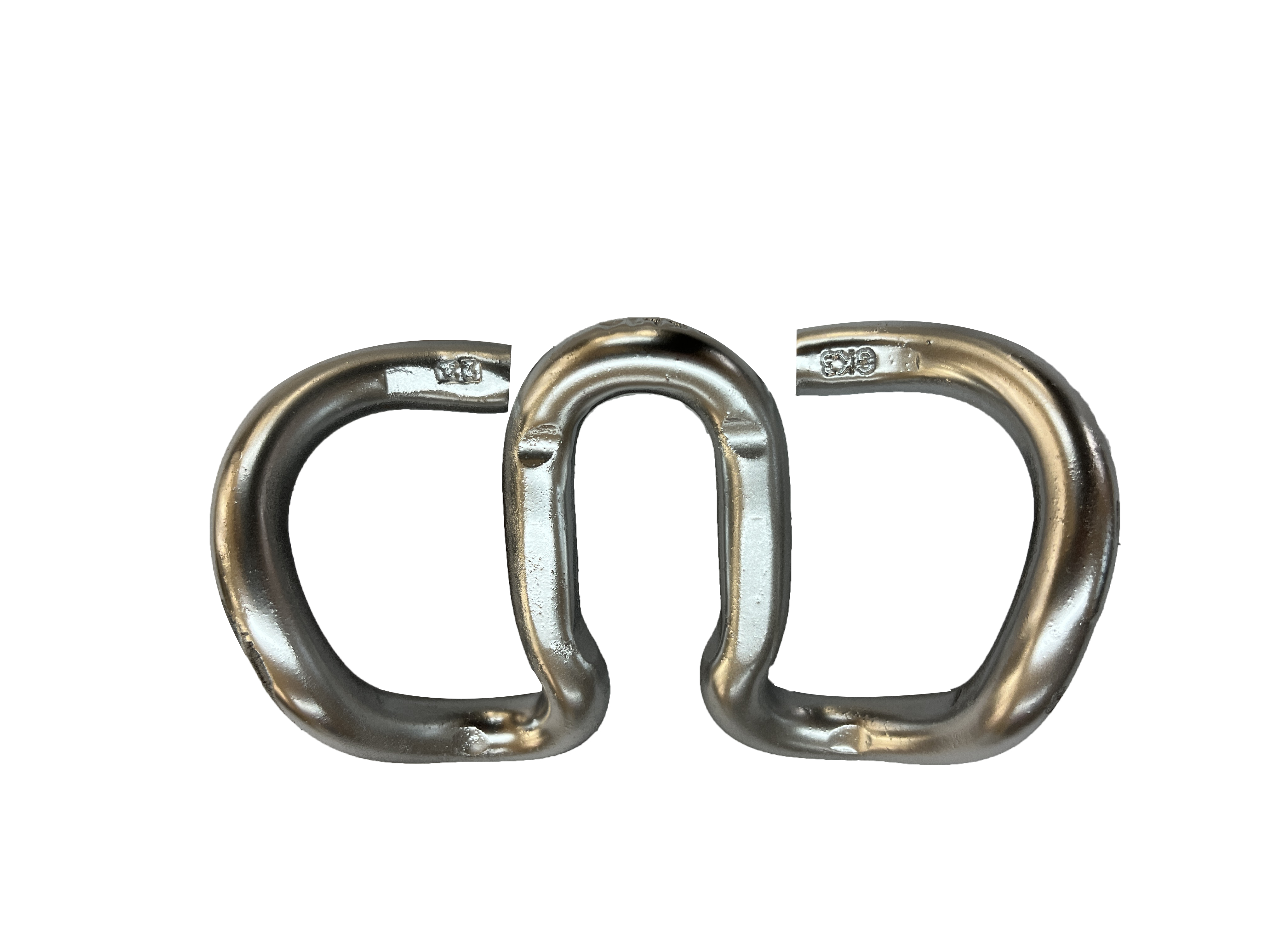
It’s called the “button” of a railroad track, but its shape isn’t round—it’s an adorable “bow.” That’s the rail clip.Clips are one of the most important components of the fastening system. They generate clamping force on the rails through their own bending and torsional deformation, effectively ensuring a reliable connection between the rails and the substructure. Although people don’t usually notice them, there are approximately 7,000 of them per kilometer of track, and their reliability is directly linked to railway operational safety.The following is a description of the rail clip.My companions and I come from an automated spring clip production line that supports intelligent, automated assembly-line production of spring clips and can manufacture various models. Now, let’s take a look at how we “overcome the challenges”! I started out as an ordinary piece of spring steel. After being heated in a medium-frequency induction furnace, I had to pass three challenges to hone my skills.Stage 1: High-Temperature Forging—Three Stages of “Pressure”When my temperature reaches 900 to 1,000 degrees Celsius, I am sent to the forging facility (forming area), where my basic shape is forged through three stages of stamping.Stage 2:    A “Cold Bath” to Temper the BodyOnce formed, I slid down a “slide” into the quenching tank.    After more than 40 seconds in the “cold water bath,” I successfully forged a “tough body.”Stage 3:    Tempering and Reforging—Strengthening the StructureNext, I’ll board the conveyor belt and enter the tempering furnace to undergo another round of “fire tempering,” making my body even more “resilient.” This process creates a high-quality steel rail “button.”After undergoing this kind of intelligent “training,” these rail “buttons” possess top-notch qualities. Whether facing extreme weather conditions—from scorching heat to bitter cold—or withstanding the immense pressure exerted by trains, they perform flawlessly on the tracks.
2026.06.18
view(120)
The History and Evolution of Rail Fishplates
In the early days of railway development, two steel plates bolted together were installed on either side of a rail joint to connect the rail ends. This component is known as a “fish plate” in the United Kingdom and a “joint bar” in the United States.Many people ask:Why is it called a “fish plate”? Does it really have anything to do with fish?To understand this name, we need to start with an early form of rail known as the “fish-belly rail.”1. What is a fish-belly rail?In the early 19th century, when railways were just emerging, steel was expensive. Engineers sought to increase material at the center—where stress was greatest—and reduce it at the ends, where stress was lower. This led to a rail profile that was “thick in the middle and thin at the ends,” resembling a fish’s belly, hence the name “fish-belly rail.”. This type of rail was common on early British railways, such as pioneering lines like the Liverpool and Manchester Railway. Fish-belly rails were typically made of cast iron and installed on stone sleepers or chair-type supports, resulting in a non-continuous structure.2. Problems with Early Track JointsAt that time, track joints were simply butted together and relied on support from below.As a result, a distinct “clang” was heard as the wheels passed over them, and the joints became the most vulnerable part of the track, requiring frequent maintenance. Engineers quickly realized that the joints needed to be reinforced.3. The True Origin of “Fish”Although the name “fish-belly rail” contains the word “fish,” the “fish” in “fish plate” is generally believed to derive from the engineering verb “to fish”—meaning to reinforce a structure with additional plates. This term was already in use in bridge and timber construction before the advent of railways. Authoritative dictionaries, such as the Oxford English Dictionary, favor this explanation over the theory that it derives from the French word fissure (crack). In other words, a fish plate is essentially a “reinforcing plate.” However, the existence of the fish-belly rail has made the term “fish” more readily accepted in a railway context, resulting in a historical overlap of meanings between the two concepts of “fish.”4. The Invention of the FishplateIn the mid-19th century, with the widespread adoption of rolled rails, engineers began attaching steel plates to both ends of the rails and securing them with bolts.British engineer William Bridges Adams promoted an improved fishplate joint design in the 1840s.The function of the fishplate is straightforward: it clamps the two rails together, distributes wheel loads, reduces joint impact, and extends the life of the track. This represents a classic example of incremental engineering improvement.5. How has the fishplate design evolved?Early fishplates: These were simple flat plates with few holes. They were later gradually improved to feature a profile that conforms to the rail web, a 4- or 6-hole configuration with slightly asymmetrical hole placement, and a thicker joint area. These improvements all centered on a single core objective: to make the joint as “close to continuous” as possible.6. From Fishplates to Continuously Welded RailsAlthough fishplates significantly improved joint performance, they still suffered from issues such as changes in stiffness, noise,bolt loosening, and fatigue cracks. After welding technology matured in the 20th century, continuously welded rails (CWR) gradually replaced mechanically joined rails. On modern high-speed railways, conventional fishplates have almost disappeared.However, they are still used for: temporary rail connections, construction transitions/ insulated joints / certain bridge sections.7. An Interesting Historical CoincidenceIn the history of railways, two terms coexist: “fish-belly rail”—so named because of its resemblance to a fish’s belly—and “fish plate”—so named because “to fish” implies reinforcement. Though they do not share the same origin, they existed side by side during the same era. This makes the use of “fish” in railway terminology seem particularly natural.8. ConclusionA fish plate is more than just a piece of steel; it represents a phase in the development of railway engineering:from cast-iron fish-belly rails to the reinforcement of rail joints, and finally to continuously welded rails. It bears witness to the evolution of railways from the “jointed era” to the “continuous era.” Behind this small term lies a microcosm of the entire history of engineering.
2026.06.16
view(155)
Fasteners: The
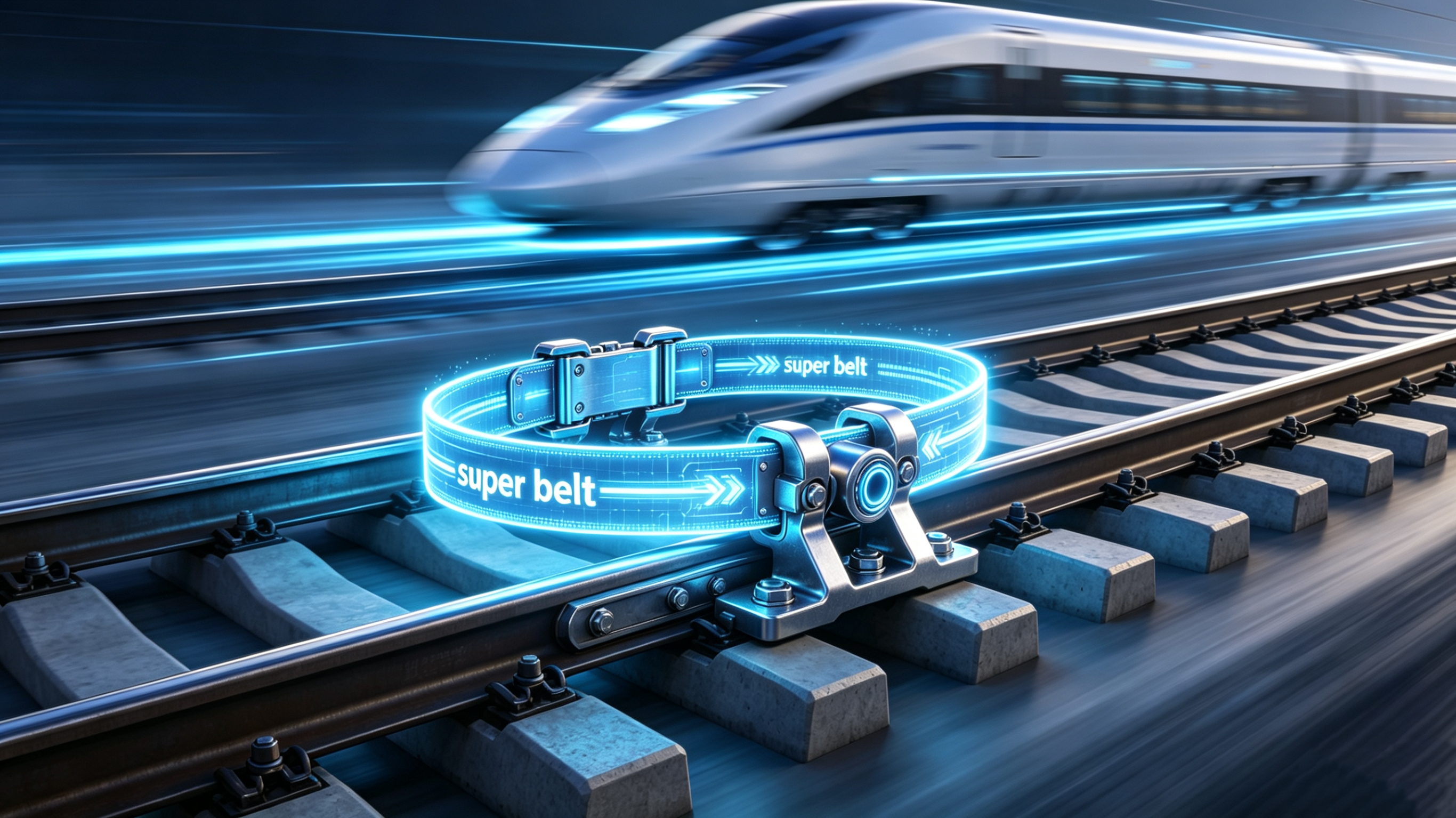
Fasteners: The "super belt" between the rail and the sleeper, without it, the train will shake!
When the train runs, why don't the rails deviate from left to right and run back and forth? It all depends on a small and inconspicuous part-fasteners!It is the "super belt shock absorber" between the rail and the sleeper. It is small in size and has a large effect. It is the "invisible guardian" of the track.The core mission of the fastener: "lock" the rail on the sleeperThe positioning of the fastener is very clear-the exclusive connector connecting the rail and sleeper, the core is to do 4 things, each of which is the key:1. Fixed rails: Like a belt, fasten the rails to the sleepers to prevent the rails from moving vertically and horizontally, and ensure that the track spacing remains unchanged;2. Provide elasticity: it comes with elastic components such as rubber cushions to further buffer the impact force, vibration and noise of the train;3. Adapt to deformation: It can adapt to the thermal expansion and contraction of the rail, the slight settlement of the roadbed, and the pressure is always buckled, neither loose nor tight;4. Insulation and anti-corrosion: It has its own insulation performance to avoid short circuit of track circuit, and at the same time, it is resistant to wind and rain, not easy to corrode, and has a long life.Summarize the importance of fasteners in one sentence: the more stable the fastener, the smoother the track; The stronger the fastener, the safer the train. Although it is small, it is the key to the smooth operation of the track!
2026.06.12
view(147)
The Function and Importance of Rail Clamps
Rail clamps, also commonly referred to as gauge blocks, are installed on the outer side of the rail web between the sleeper shoulder and the embedded iron base. Together with spring clips and rubber pads, they form a complete set and serve as a core component of the track fastening system.Product Function1.Installed on the outer side of the rail web between the sleeper shoulder and the metal base, it works in conjunction with the rail clip and rubber pad to form a complete fastening system, serving as a core component for controlling track geometry.2.It precisely defines the lateral position of the rail, prevents lateral movement, and strictly maintains the standard track gauge.3.It absorbs and transmits the clamping force of the rail clip, ensuring that the elastic force is evenly distributed across the rail body and guaranteeing balanced stress distribution throughout the entire fastening system.4.By replacing the stop plates with different thickness specifications, the gauge can be flexibly fine-tuned to meet the dimensional correction requirements for track laying, maintenance, and realignment.5.It isolates the rail from the metal base plate and concrete shoulder, preventing hard contact surfaces from rubbing against each other and scratching the rail web or wearing down the shoulder structure.6.Insulated gauge spacers provide electrical isolation, blocking current conduction and protecting the normal operation of track circuits on electrified railways.7.They effectively distribute the lateral forces generated by train operations, cushion impact loads in curves and switch areas, and disperse localized stresses.Importance of Use1.Track gauge is a core safety indicator for rail operations. Gauge spacers help maintain stable track gauge over the long term, eliminating the risks of wheel-rail wear and derailment caused by excessive or insufficient gauge, thereby directly ensuring train operational safety.2.They optimize the stress distribution across the entire fastening system, reducing issues such as uneven loading, loosening, and breakage of rail clips, while also protecting the sleeper shoulders from being crushed or damaged, thereby extending the overall service life of all associated fastenings.3.In areas where lateral forces are concentrated—such as curves, long gradients, and the sections before and after switches—the product delivers outstanding restraint performance, significantly reducing common track defects such as track deformation and misalignment.4.With standardized product specifications and high interchangeability, on-site replacement and track realignment operations are simple and convenient, effectively shortening maintenance time and reducing overall track operation and maintenance costs.5.The insulated version prevents short circuits in track circuits and signal failures, ensuring the stable operation of railway dispatching and traffic control systems, making it an essential component for electrified lines.6.Compatible with P43/P50/P60 Chinese standard rails, AREMA American standard rails, as well as concrete and wooden sleepers and other track structures, it is universally applicable across the entire line and serves as an indispensable key component of the railway track system.
2026.06.08
view(163)
The Function and Importance of Rubber Pad
The product is made from a single piece of rubber material through high-temperature compression molding. It is typically rectangular in shape, with thicknesses available in various specifications depending on the rail type, and is compatible with rails such as P43, P50, P60, and 115RE.Product Function1.Installed between the sleeper and the underside of the rail, it uses the elasticity of the rubber to cushion the vertical impact forces generated by train operation, thereby reducing the transmission of wheel-rail vibrations to the sleeper.2.By utilizing the rubber’s deformation capacity, it compensates for slight settlement of the rail, alleviates stress on the rail clips, and maintains a consistent clamping force.3.It prevents direct, rigid friction between the rail and the sleeper, thereby preventing wear on the rail base and damage to the sleeper top, and extending the service life of both the rail and the sleeper.4.It possesses insulating properties, blocking the downward conduction of current from the rail, ensuring normal power supply to the track circuit on electrified railways, and meeting the operational requirements of the signaling system.5.Fine-tune rail level to compensate for local unevenness in sleepers, helping to maintain track gauge and horizontal geometry within specifications.6.Prevent rainwater and dust from entering the gaps beneath the rails, reducing rail corrosion and the accumulation of silt in the ballast bed.Importance of Use1.As a core component of the track elastic system, the absence of rail pads results in rigid rail-to-rail contact, leading to increased train vibration and reduced ride comfort.2.It effectively reduces the incidence of track defects, minimizes failures such as rail crushing, sleeper cracking, and spring clip fatigue failure, and decreases the frequency of track maintenance.3.It reduces noise and vibration, mitigating operational noise, and is suitable for track sections with high noise reduction requirements, such as urban areas and tunnels.4.A universal component for all track types, it is indispensable for conventional, heavy-haul, urban rail, and high-speed rail tracks, and is compatible with P43, P50, P60, and 115RE rails.5.Excellent insulation ensures stable railway signaling, prevents track short-circuit failures, and directly impacts train scheduling and operational safety.6.It mitigates stress changes caused by thermal expansion, improves the overall stress environment of the track, and significantly extends the track’s service life.
2026.06.02
view(173)
The function and importance of railway joint bars
Product Function1.Manufactured from a single piece of steel plate through stamping and rolling, this product clamps onto both sides of the rail joint in pairs and is secured with bolts to connect the rail ends.2.It firmly secures the rail joint, restricts lateral and longitudinal displacement of the rails, and ensures the rail ends remain aligned and flush.3.It distributes the concentrated loads generated when trains pass over the joint, disperses wheel impact stresses, and cushions the deformation of the joint under load.4.It fills the gap at the rail joint, restricts thermal expansion and contraction of the rails, and maintains an appropriate joint clearance.5.Together with bolts and anti-loosening components, it forms a complete joint system that helps maintain the specified track gauge.Importance of Use1.Ensures the continuous alignment of rails along the entire line, serving as an indispensable key component for integrating the track system into a cohesive whole.2.Prevents misalignment and misalignment of rail ends, eliminating the jolts and accelerated wheel-rail wear caused by wheels rolling over protruding joints.Enhances structural strength at joint locations, reduces rail joint fractures and edge chipping failures, and ensures smooth and safe train operation.3.Suitable for conventional-speed lines, freight and high-speed trains, and heavy-haul tracks under various operating conditions; curved tracks and gradients particularly rely on fishplates for reinforcement.4.Simplifies track maintenance and inspection; individual damaged fishplates can be replaced separately, significantly reducing track downtime and maintenance costs.5.Standardizes the range of rail gap variation, preventing track defects such as thermal expansion causing rail uplift and cold contraction widening the rail gap, thereby extending the overall service life of the rails.
2026.05.29
view(200)
Pandrol E1809 Rail Clip: The Most Universal Fastener for Global Railway Infrastructur
Pandrol E1809 rail clip is the most universal E-type elastic fastener in the global railway industry. It features stable pressure, easy installation, wide compatibility, and is widely used in high-speed rail, freight lines, and urban rail transit worldwide.Design Features: Features an asymmetrical E-shaped design that differs from traditional omega-shaped clips, offering a unique three-point contact load-bearing mechanism with a larger contact area and more uniform clamping forceInstallation Advantages: Utilizes standard, universal fastening components; installation and removal can be performed with standard tools, facilitating convenient future inspections, replacements, and maintenance.Applications: Passenger-freight mixed-use railways and urban rail transit systems with curve radii ≥320 m and operating speeds ≤140 km/h.Up to now, Pandrol E1809 rail clip has occupied the core position of global railway elastic fasteners by virtue of standardized structure, superior performance, strong universality and low maintenance cost. In the continuous development and upgrading of global railway infrastructure, E1809 will continue to rely on mature and reliable technical advantages to serve high-speed rail, heavy-duty freight and urban rail transit construction worldwide, and maintain its leading position as a universal mainstream fastener in the railway industry.
2026.05.26
view(192)
12 共18条 2页,到第 确定
WHATSAPP
TEL
+86-18821331647
WECHART

WECHART

MESSAGE