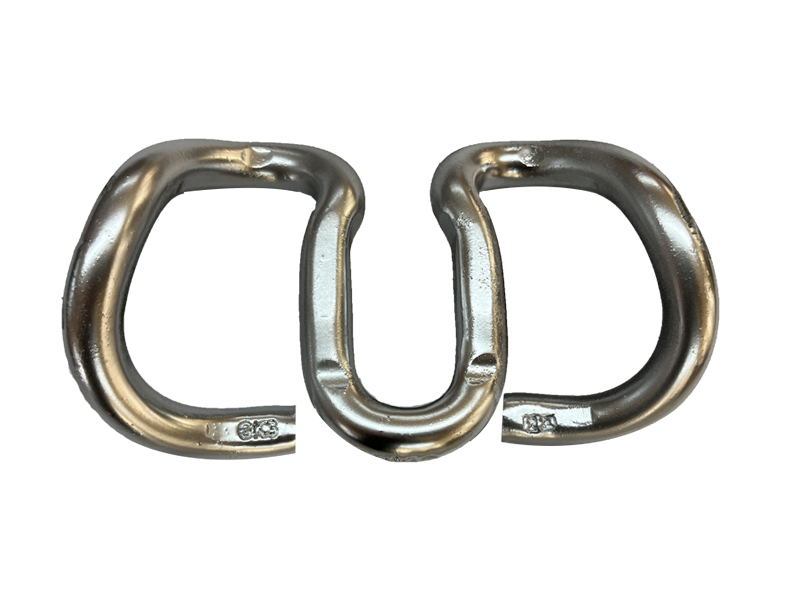
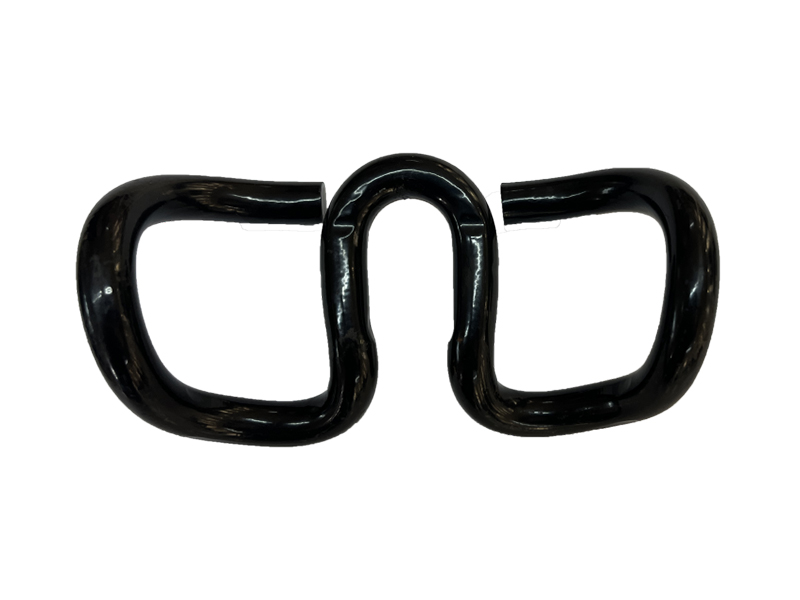
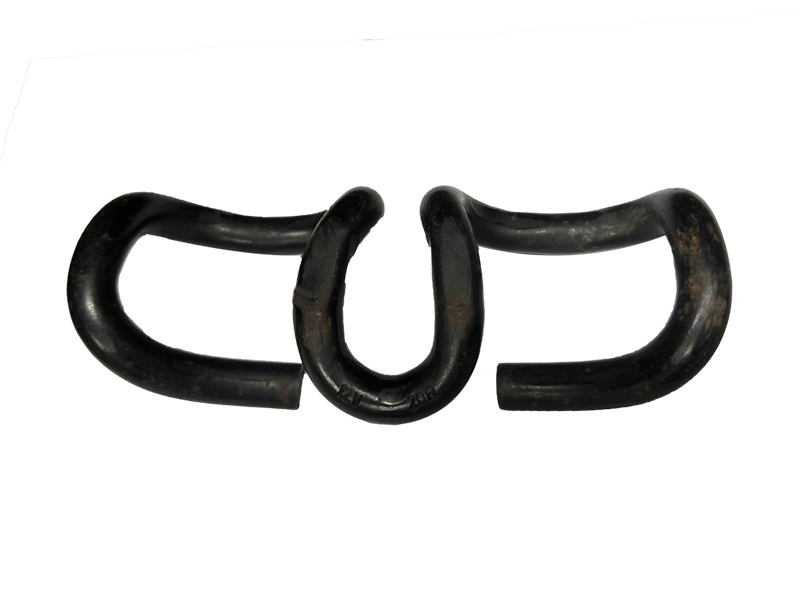
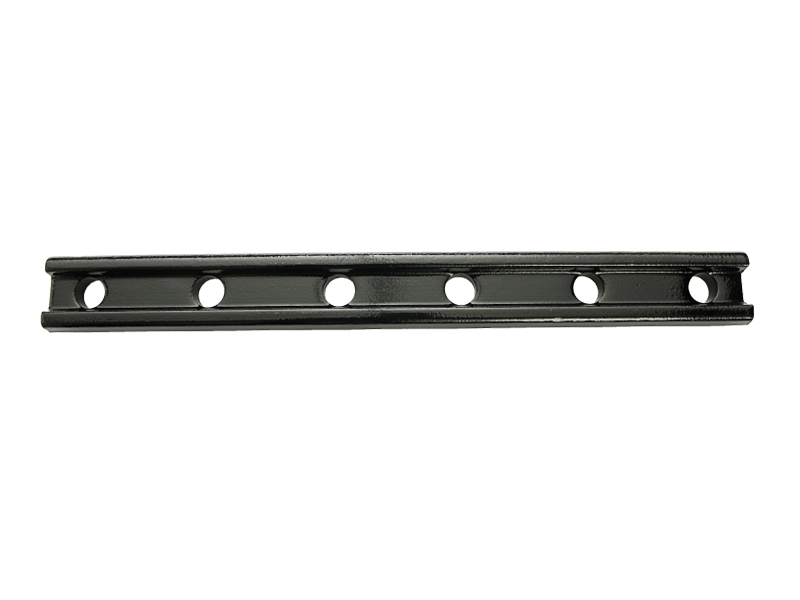
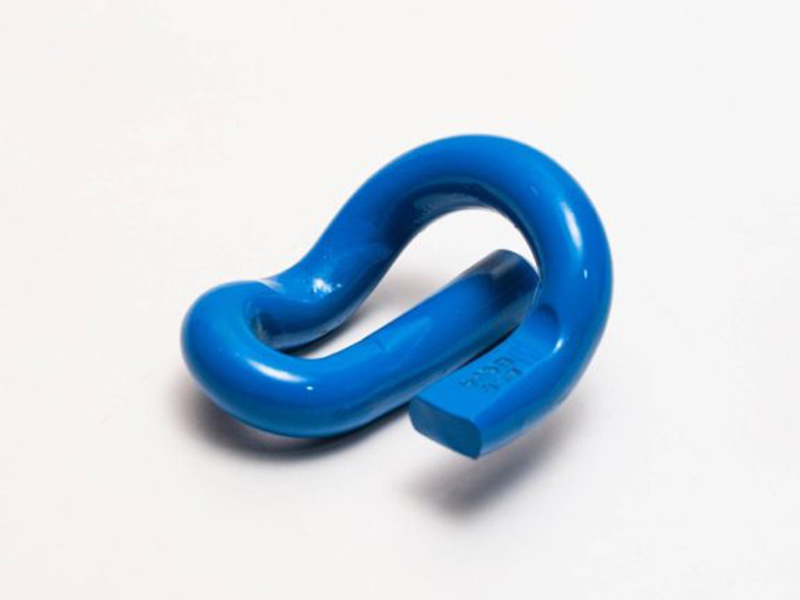
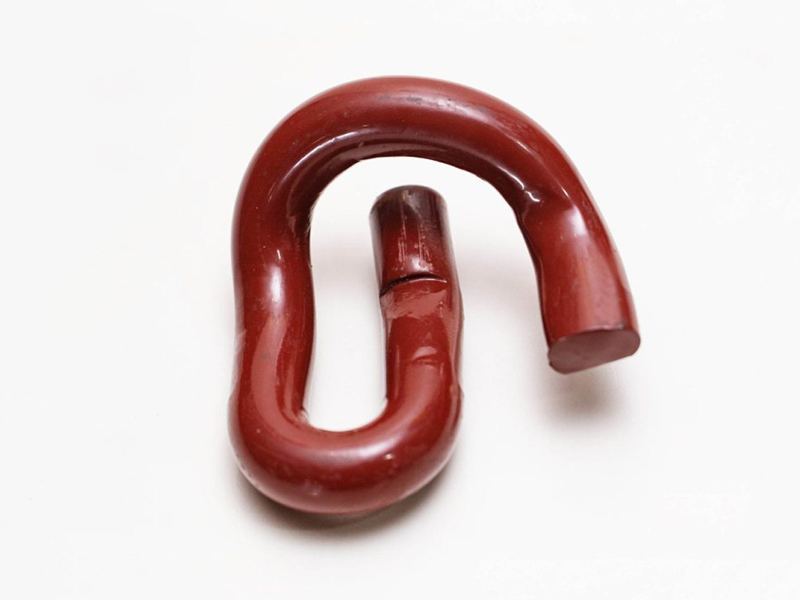
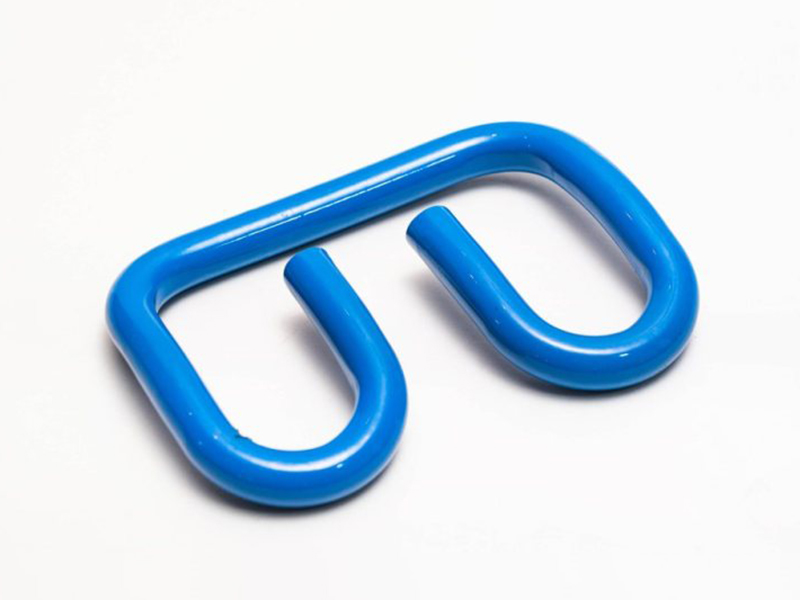
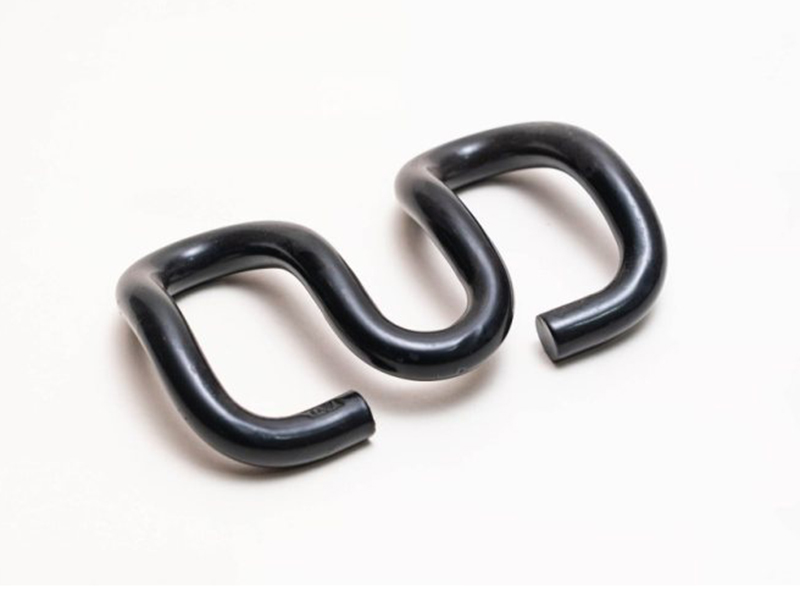
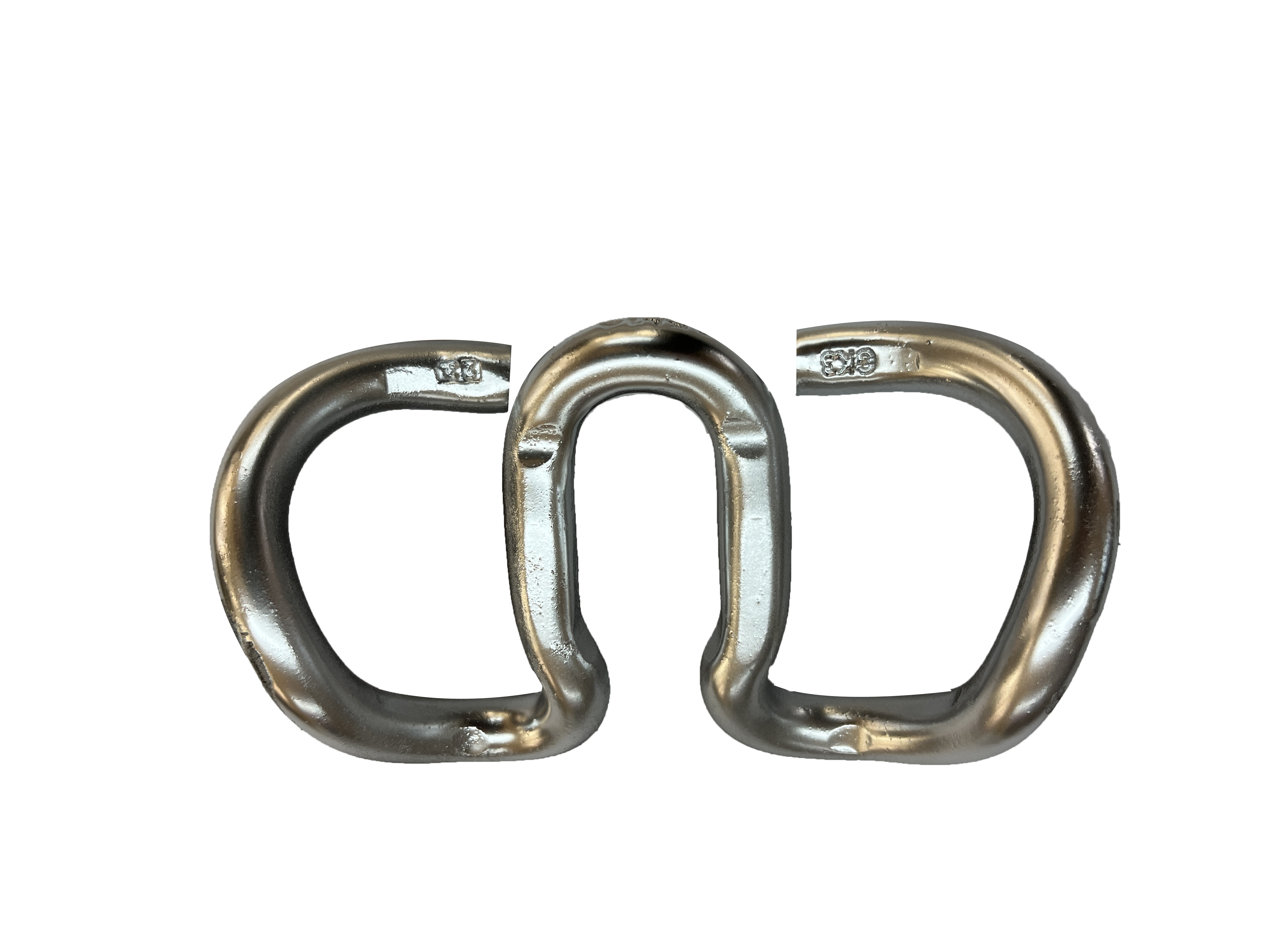
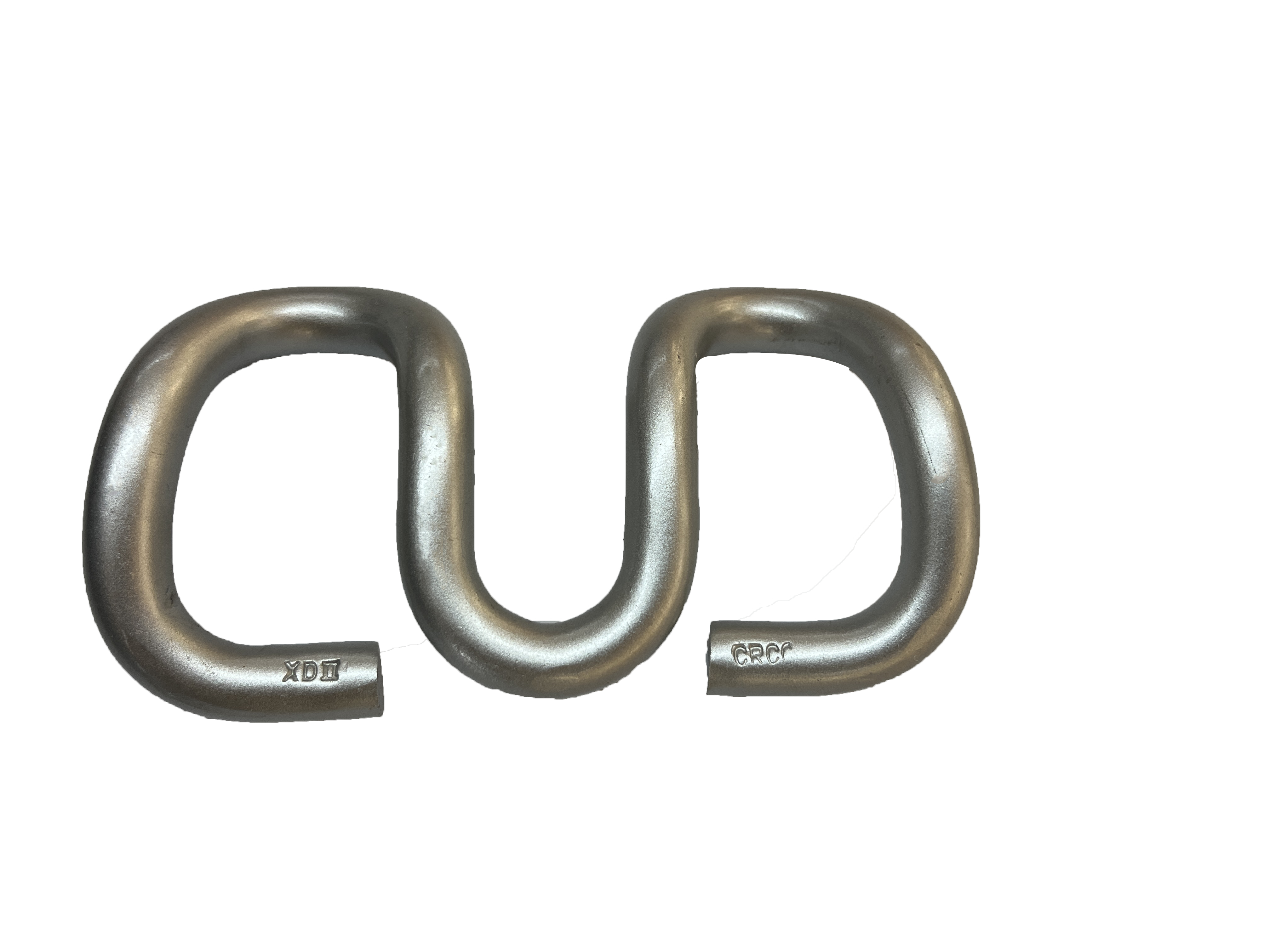
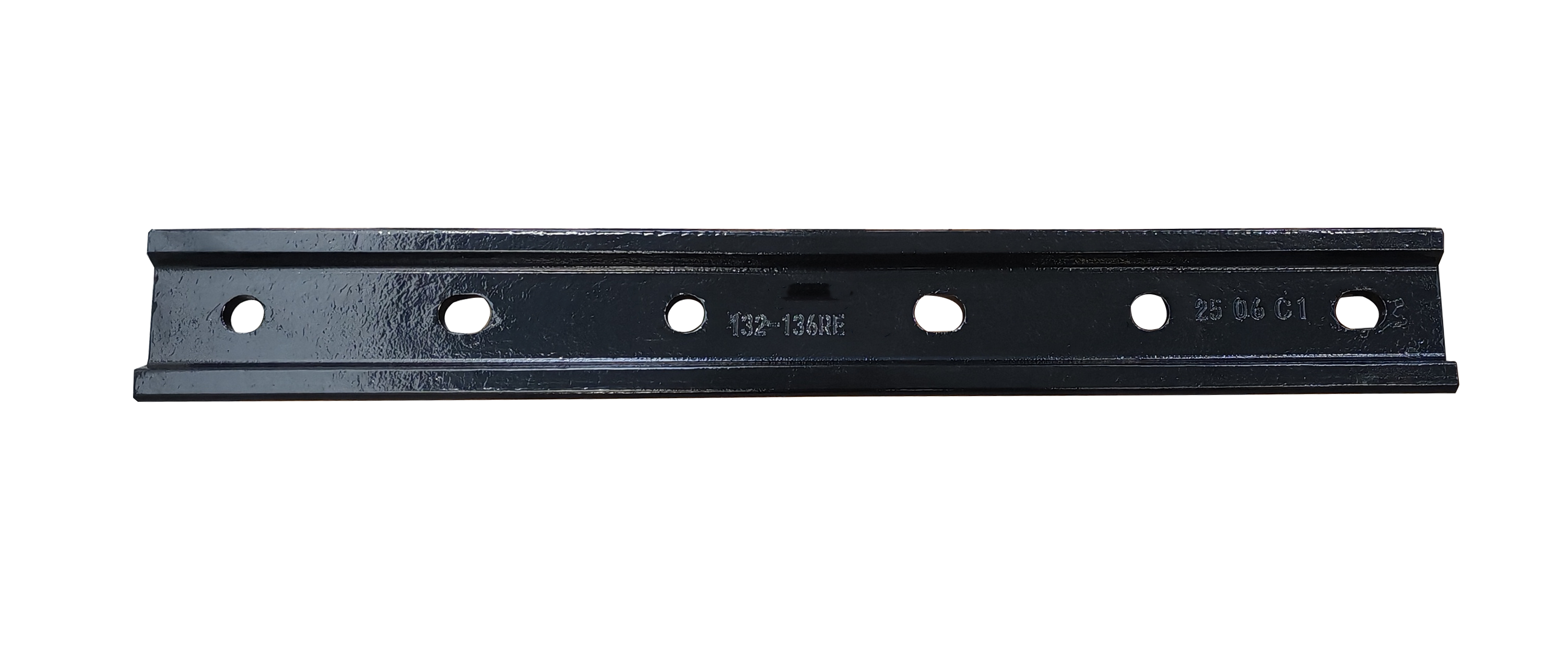
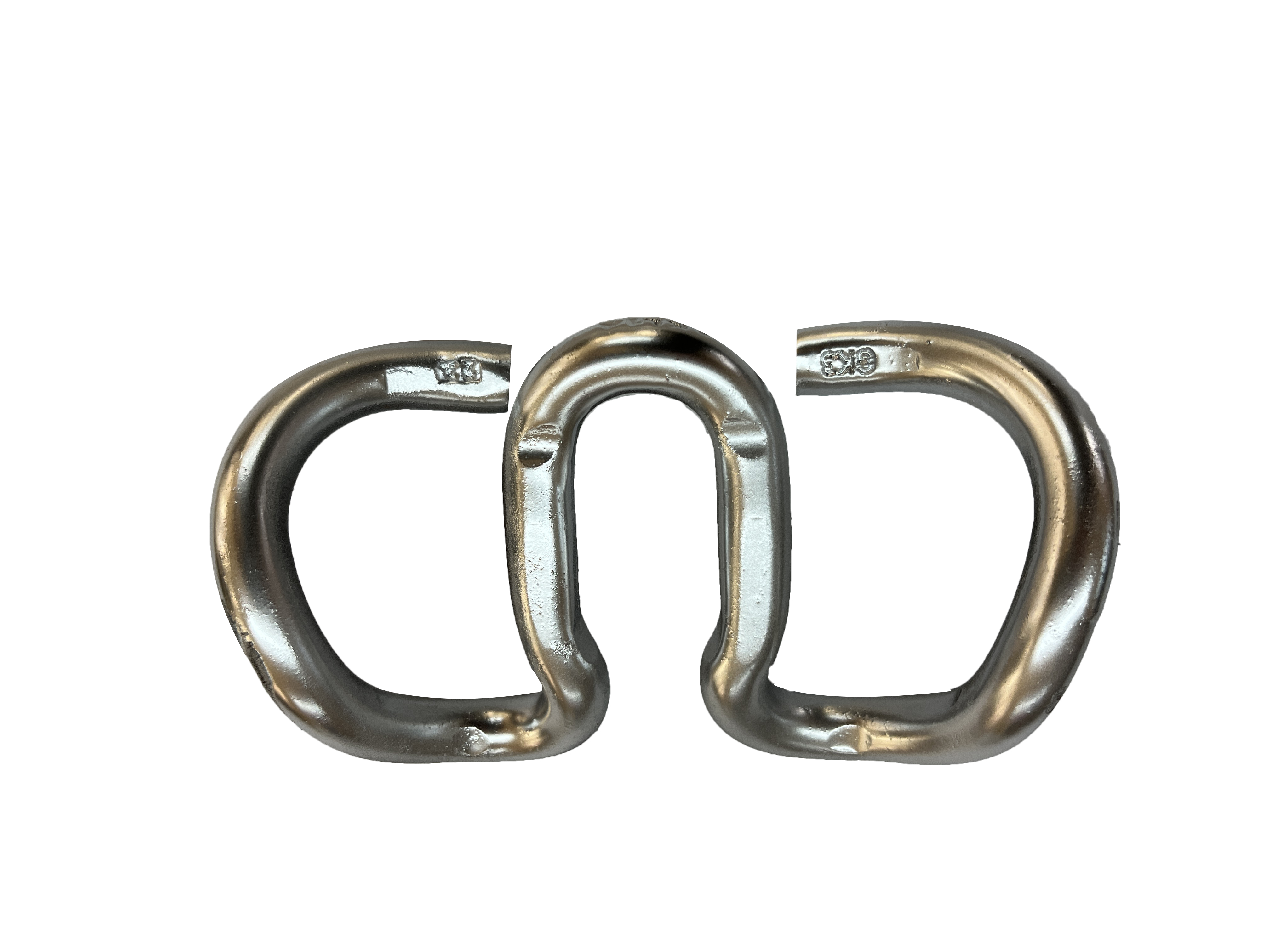
FISHPLATE – FORGED STEEL RAIL JOINT BAR FOR BOLTED TRACK CONNECTIONS
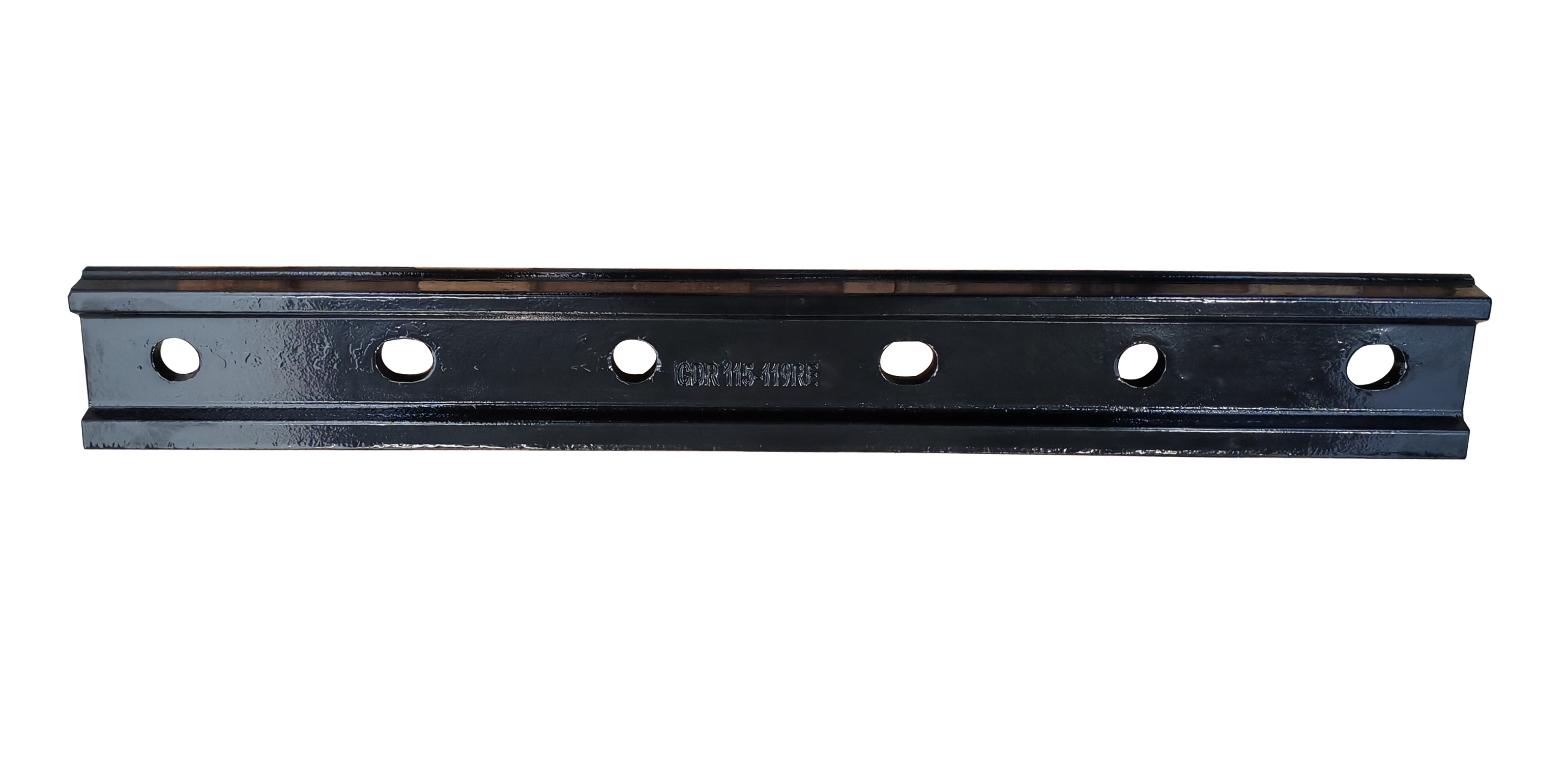
A fishplate, also known as a rail joint bar or railway splice bar, is a steel plate bolted to both sides of two consecutive rails at a joint. Its job is to keep the rail ends aligned vertically and laterally, to transfer wheel loads across the joint gap, and to maintain the correct fishing angle so the rail head and web are fully supported. Our fishplates are hot forged from medium carbon steel, heat treated to meet the required mechanical properties, then drilled and finished to match the rail section exactly. We supply 4‑hole and 6‑hole splice bars for almost all common rail profiles. We also manufacture compromise fishplates for joining rails of different heights or weights, and insulated fishplates with bonded isolation layers for track circuit separation. As part of the wider rail fastening system, a well‑made fishplate reduces impact damage at joints, helps control gauge, and brings down the long‑term cost of railway maintenance.KEY FEATURES & BENEFITSPrecise rail profile match: Each rail joint bar is forged or machined to the exact fishing angle and web thickness of the target rail section. This gives full contact between the bar and the rail, distributes bolt clamping force evenly, and prevents localised stress that leads to cracking.High strength and fatigue resistance: Made from 55# carbon steel or micro‑alloyed grades, heat treated to a tensile strength of 780 MPa or above. The bars are tested under cyclic loading to ensure they withstand repeated wheel impacts without fatigue failure.Protection against corrosion: Standard finishes include black oxide, oiled, zinc plated, and epoxy powder coating. For lines near the coast, in tunnels, or in industrial areas, we recommend zinc‑based coatings or hot dip galvanizing for longer service life.Fast and simple installation: The fishplate is positioned on both sides of the rail gap and secured with track bolts, spring washers and nuts. Bolt holes are drilled to standard spacing, so the bars interchange easily with existing components during scheduled railway maintenance.Lower wear on adjacent components: By holding the rail ends firmly, a good splice bar reduces rail end batter, loosening of joint bolts, and ballast movement around the joint. This cuts down on unplanned track work and extends sleeper life.TECHNICAL SPECIFICATIONSParameterSpecificationFishplate type4‑hole, 6‑hole, compromise (transition) fishplate, insulated fishplateMaterial55# carbon steel, 45# steel, micro‑alloyed spring steel, or as required by the standardSurface finishBlack oxide, oiled, zinc plated, epoxy powder coated, hot dip galvanizedRail sections matchedUIC 60, UIC 54, 115RE, 136RE, 50kg/m, 52kg/m, JIS 50N, BS 90A, and many othersHole diameter24 mm, 26 mm, 28 mm (typical), or drilled to suit bolt sizeBolt typeFish bolt per UIC 864‑1, AREMA, GB/T 11264, DIN, or customer specificationTensile strength≥ 780 MPaElongation≥ 10%Hardness220–280 HBWFatigue performanceMeets UIC 864‑2 or equivalent; no crack after required load cyclesStandardsAREMA Chapter 4, UIC 864, BS 47, GB/T 11264, AS 1085.8APPLICATION SCENARIOSPlain jointed track: Standard fishplates are used on secondary and branch lines, sidings, and yard tracks where continuous welded rail is not practical. They allow for thermal expansion at the joints when used with expansion gaps.High‑speed and heavy‑haul lines: In temporary speed restrictions, bridge approaches, and emergency repairs after a rail break, high‑strength rail joint bars provide a safe bolted connection until the rail can be welded or replaced.Transition between different rail profiles: A compromise fishplate has different fishing angles on each side to connect two rails of different height or web thickness. These are commonly used in depots, at main line to siding connections, and on mixed‑traffic routes.Insulated joints for signalling: Insulated fishplates use a bonded fibre‑glass or epoxy isolation layer to break the electrical path between adjacent track circuits. They are installed with insulated bushings and washers, and are a critical part of the signalling infrastructure.Bridge and turnout areas: Joint bars are installed at bridge ends to accommodate structural movement, and are also used in switch and crossing panels where bolted connections are preferred for ease of adjustment and replacement.